Fashion's Big Reset: How Circularity, Clean Energy, and Smarter Strategy Are Reshaping the Industry
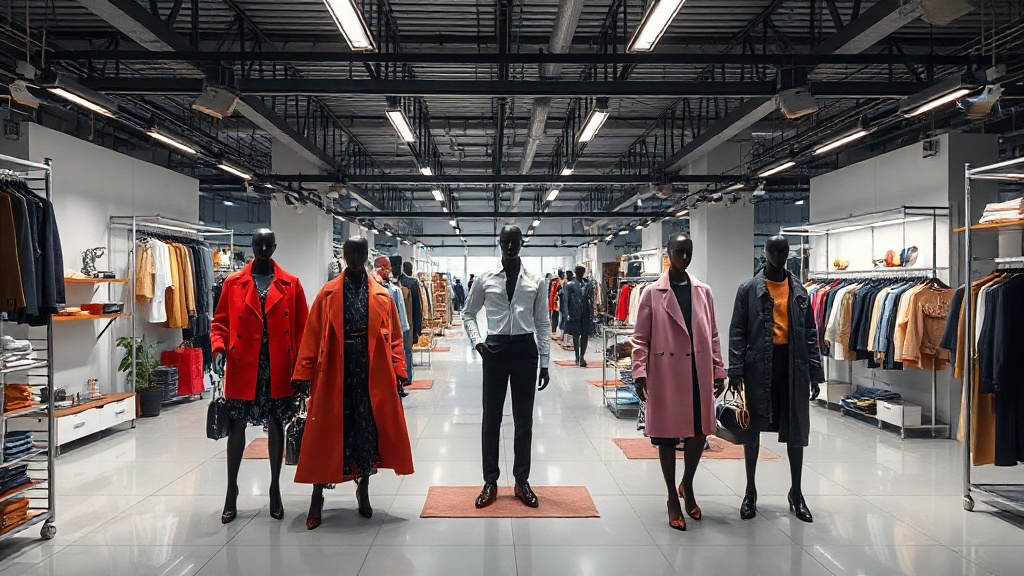
The fashion industry is in the middle of its most significant reset in decades. Consumer expectations, regulation, technology, and climate pressure are all converging, and brands that treat them as separate issues are finding it harder to keep pace. Recent analysis from business and policy researchers points to a clear message: the question is no longer whether fashion will transform, but how quickly and how well.
Circularity Moves From Buzzword to Business Model
For years, "circular fashion" was mostly a marketing phrase. Today, it is becoming an operating strategy. Resale, rental, repair, and take-back programs are being built directly into core business models rather than bolted on as side projects.
The logic is straightforward. Fashion has traditionally relied on a linear model: extract, produce, sell, discard. That model is costly in an era of volatile raw material prices and tightening waste rules. Keeping garments in use longer, and recovering fibers at the end of their life, reduces exposure to those risks while opening up new revenue streams.
Key circular approaches gaining traction include:
- Resale partnerships: Brands are launching branded secondhand marketplaces to capture value from their own products. - Repair and alteration services: In-store and mail-in repair builds loyalty and extends garment life. - Fiber-to-fiber recycling: Investment is growing in technologies that turn textile waste into new yarn, though scaling remains a challenge. - Design for durability and disassembly: Mono-material construction and simpler trims make recycling far more feasible.
Clean Energy Is the Hidden Lever
Much of fashion's carbon footprint sits upstream, in dyeing, finishing, and fabric production in manufacturing hubs that still rely heavily on coal and other fossil fuels. That makes clean energy one of the most powerful levers for cutting emissions.
Brands are increasingly working with suppliers to adopt renewable electricity, switch from coal-fired boilers to cleaner heat sources, and finance energy efficiency upgrades. Collaborative financing models, where brands share the cost of supplier transitions, are emerging because individual factories often cannot afford the upfront investment alone. This is a shift from simply auditing suppliers to actively partnering with them.
A Changing World Demands Faster Adaptation
Beyond sustainability, the industry faces a broader set of disruptions. Analysts have recently questioned whether fashion can keep up with a world defined by shifting trade policies, cautious consumers, climate-related supply chain shocks, and rapid technological change.
Several pressures stand out:
- Economic uncertainty: Shoppers are more selective, trading between value and premium and rewarding clear reasons to buy. - Tariffs and geopolitical volatility: Sourcing strategies built around a single region are increasingly risky, pushing brands toward diversification and nearshoring. - Regulation: Extended producer responsibility rules, digital product passports, and stricter claims about environmental performance are raising the bar for transparency. - Technology: Generative design tools, demand forecasting, and on-demand production are helping brands cut overproduction, one of fashion's most persistent problems.
What Winning Brands Are Doing
The companies best positioned for the road ahead share a few habits. They treat data as a strategic asset, using it to align inventory with real demand rather than hopeful guesses. They shorten lead times so they can react to trends and disruptions without discounting heavily. And they communicate honestly, avoiding vague green claims in favor of measurable targets and verifiable progress.
Equally important, they recognize that sustainability and profitability are no longer opposing goals. Lower waste, fewer markdowns, and more resilient supply chains improve margins as well as environmental performance.
The Road Ahead
Fashion's transformation will not follow a single path. Some brands will lead with circular services, others with energy-efficient manufacturing, and others with smarter, leaner production planning. The common thread is a willingness to rethink assumptions that have shaped the industry for generations.
For shoppers, this shift means more options to buy secondhand, repair favorite pieces, and choose brands with credible commitments. For companies, it means that adaptability has become the most valuable design skill of all. The brands that act now, while the rules and expectations are still being written, will be the ones setting the standard for the next era of fashion.