Fashion's New Operating Model: How Physical AI, Digital Supply Chains, and Climate Action Are Transforming the Industry
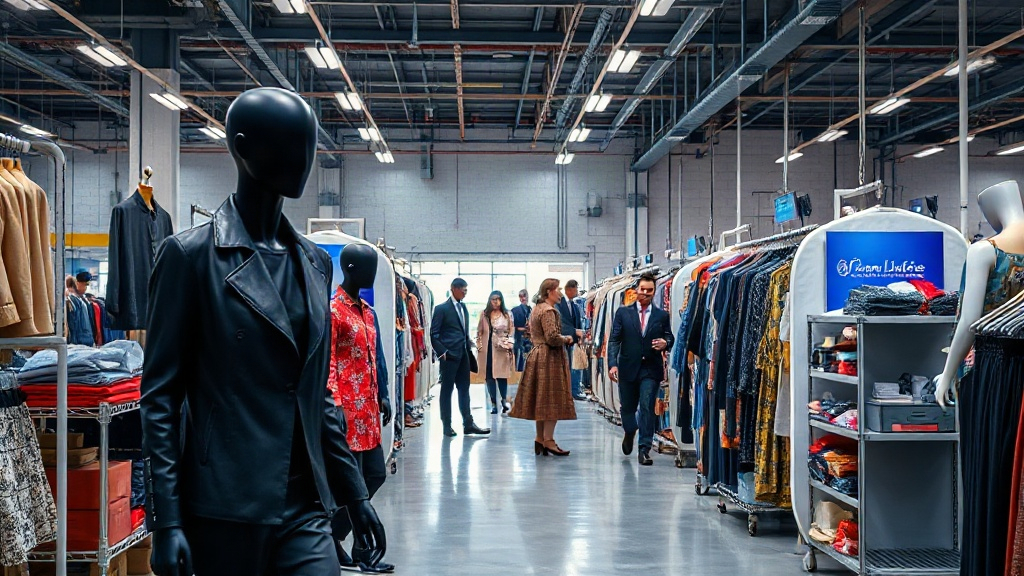
The fashion industry has always moved fast, but the pace of change today is different from anything seen in previous cycles. Trends still come and go, yet the deeper shift is structural. Design, manufacturing, retail, and sustainability are being rebuilt around data, automation, and climate accountability. Brands that treat this as a passing phase risk falling behind competitors that see it as a new operating model.
Physical AI Moves From Concept to Factory Floor
For years, artificial intelligence in fashion meant recommendation engines and trend forecasting. Now the conversation has moved to physical AI: intelligent systems that act in the real world through robotics, computer vision, and automated machinery. The World Economic Forum recently highlighted how these technologies are reshaping the sector, from cutting and sewing to warehousing and quality control.
Garment production has long resisted automation because fabric is soft, stretchy, and unpredictable. Robots built for rigid car parts struggle with a drooping sleeve. Advances in machine vision and adaptive grippers are closing that gap. Systems can now identify defects in real time, handle delicate materials, and sort returns with far greater accuracy than manual processes.
The practical benefits are clear:
- Shorter lead times: Automated workflows reduce the gap between design approval and shelf availability. - Less waste: Precision cutting and early defect detection mean fewer discarded materials. - Greater consistency: Machine-assisted quality checks reduce variation from batch to batch.
Digital Supply Chains Link Brands and Factories
Technology is not only changing the machines. It is changing relationships across the supply chain. Fast-fashion giant SHEIN, for example, has been promoting a "chain innovation" approach, working with partner apparel factories to bring digital and intelligent tools into traditional manufacturing. The idea is that upgrading an entire network is more effective than optimizing a single company in isolation.
This model relies on shared data. When a brand can see demand signals in near real time and pass them directly to factories, production runs become smaller and more responsive. Instead of betting on huge seasonal orders, suppliers can produce in limited batches and replenish based on actual sales. That reduces unsold inventory, one of the industry's most persistent and costly problems.
For small and mid-sized factories, digital tools also lower the barrier to modernization. Cloud-based planning software, connected sewing equipment, and production tracking dashboards can lift efficiency without the capital expense of a full factory rebuild.
Climate Action Is Reshaping Priorities
Technology is only half of the story. Fashion remains one of the more resource-intensive industries, with significant emissions tied to energy use in textile production, dyeing, and transport. Discussions around climate action increasingly stress the link between fashion, clean energy, and the people who make the clothes, a workforce that is overwhelmingly female in many producing regions.
Organizations focused on sustainable energy have pointed out that decarbonizing factories can improve both environmental performance and worker conditions. Switching from coal-fired boilers to renewable or electrified heat, for instance, cuts emissions while improving air quality inside and around facilities. Women, who make up the majority of garment workers, are often the first to feel those benefits, and they deserve a seat at the table when transition plans are drawn up.
What Brands Should Do Next
Transformation can feel overwhelming, but the path forward is manageable when broken into steps:
1. Audit the data you already have. Sales, returns, and production records often hold untapped insight. 2. Start with a high-impact pilot. Automated quality inspection or demand-driven small-batch production can show results quickly. 3. Invest in supplier partnerships. Shared tools and transparent data benefit everyone in the chain. 4. Tie technology to climate goals. Efficiency gains should be measured against energy and waste reduction, not only cost. 5. Prepare the workforce. Reskilling programs help employees move into technical, supervisory, and design-support roles as automation expands.
A More Responsive, Responsible Industry
The most important change may be one of mindset. Fashion is shifting from a model built on guesswork and overproduction toward one built on responsiveness and accountability. Physical AI, connected supply chains, and cleaner energy are not separate stories; they reinforce one another. Smarter factories waste less, cleaner factories protect workers and the planet, and better data keeps both on track.
Consumers are paying attention too. Shoppers increasingly expect speed, variety, and transparency at the same time, and only a transformed industry can deliver all three. The brands that act now will shape what the wardrobe of the future looks like and how responsibly it is made.