How Couture Is Made: Inside the Atelier Process From Concept to Runway
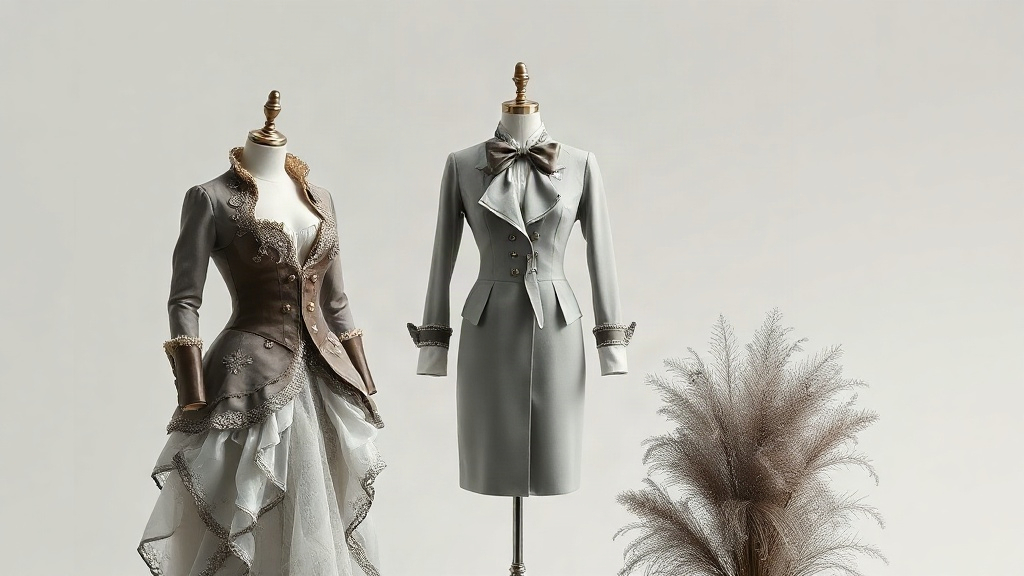
Couture is often described as fashion's laboratory, but the real magic happens long before a gown reaches the runway. Recent coverage has taken viewers inside Milan's ateliers, where luxury pieces are still shaped by hand, one stitch at a time. That access reflects a growing curiosity about how a couture garment goes from a loose idea to a finished work of wearable art.
It Starts With a Story, Not a Sketch
Every couture collection begins with a concept. It might be an architectural form, a piece of history, a landscape, or a cultural moment. Designers build mood boards, gather fabric swatches, and sketch silhouettes, but the sketch is only a starting point. The real conversation begins when the designer meets the atelier team.
This is where couture differs from ready-to-wear. A design is not engineered for mass production. It is built around an idea, and the techniques are invented or adapted to serve it.
From Toile to Pattern: Building the Foundation
Once a sketch is approved, pattern makers translate it into a flat pattern. The pattern is then used to create a toile, a prototype cut in inexpensive cotton muslin. The toile is pinned, adjusted, and re-pinned on a dress form or a live model until proportion, drape, and movement are right.
For a private client, this stage is deeply personal. Measurements are taken in detail, and the toile is often fitted several times. A couture piece is shaped to one body, which is why it moves differently from anything off the rack.
Fabric, Embellishment, and the Slow Craft
After the toile is perfected, the chosen fabric is cut. Silks, tulles, wools, and laces are handled with great care because a mistake on a rare textile cannot easily be undone.
Then comes the work that defines couture:
- Hand embroidery and beading, often done by specialist workshops, sometimes requiring hundreds of hours for a single panel - Hand-finished seams and hems, which allow garments to fall with a fluidity machines struggle to match - Internal structure, including corsetry, boning, and layered underpinnings that quietly support the silhouette - Multiple fittings, where small refinements bring the garment into perfect balance
The pace is deliberate. In an era of fast production, this patience is exactly what gives couture its value.
Accessories Complete the Vision
Couture does not stop at the garment. Jewellery, headpieces, and finishing touches are increasingly part of the design conversation. The renewed interest in menswear jewellery, highlighted recently by designers such as Saggar Mehra and his work with the Vanraaj label, shows how ornament is being rethought as part of a complete, regal look rather than an afterthought. Craftsmanship in metalwork and stone setting now sits alongside tailoring as a signature of modern luxury.
Technology Joins the Atelier
While couture is rooted in tradition, it is not closed to innovation. Research and industry discussion on human and AI collaboration in the fashion design process point to a practical middle ground. Digital tools can help designers explore silhouettes, test colour palettes, and visualise drape before a single meter of fabric is cut. The hands, eyes, and judgment of the artisan still make the final decisions, but technology can shorten the early experimentation phase and reduce material waste.
Sustainability is part of the same conversation. Because couture is made to order, it naturally avoids overproduction, and digital prototyping can further reduce the number of physical samples required.
The Runway Moment and the Final Bow
After months of work, the collection reaches the runway. The show is the public culmination of an enormous team effort, and the designer's final walk is part of the story. Fashion critics have recently pointed out how the way designers take their bow can reveal their confidence, their relationship with their team, and how they feel about what they have presented. Some step out briefly with a wave, others linger, and some bring the whole atelier with them.
Behind that single moment are the pattern makers, embroiderers, tailors, and fitters whose skill made the vision real.
Why the Process Still Matters
Couture endures because it values time, skill, and individuality at a moment when so much else is automated and standardised. Understanding the process, from concept and toile to embellishment and the final fitting, helps explain why these garments carry such weight. Each one is a collaboration between imagination and craft, and that is what keeps the world's ateliers, from Milan to Paris and beyond, in the spotlight.