How Couture Is Made: Inside the Design Process From Sketch to Finished Gown
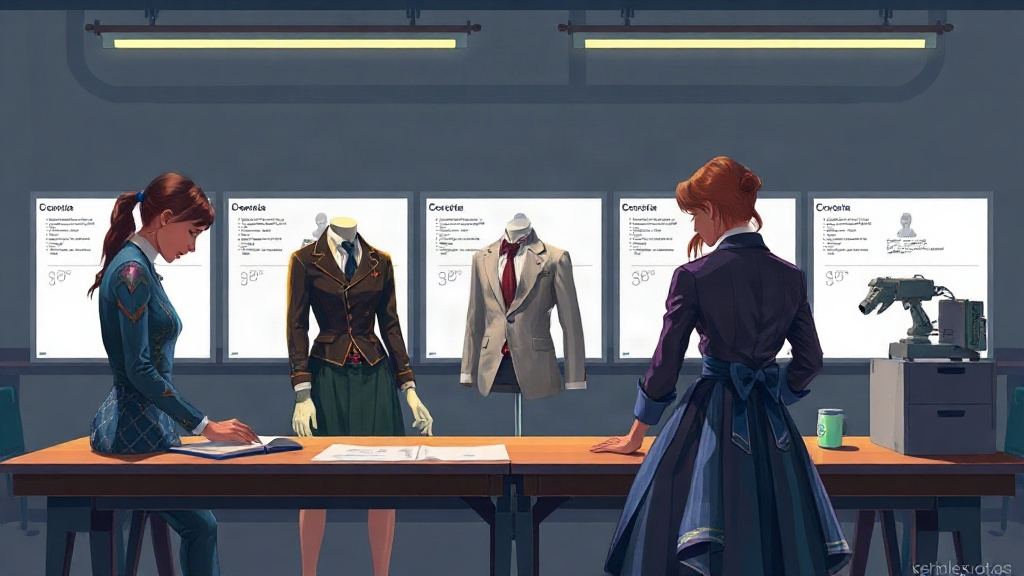
Couture has always been about time, patience, and the human hand. Every garment begins as an idea and ends as something close to sculpture, and the journey between those two points is rarely seen. Today, as the industry debates technology, sustainability, and the value of craftsmanship, the couture design process is getting renewed attention from both fashion insiders and curious consumers.
It Starts With a Story, Not a Sketch
Before a single line is drawn, a couture house defines what the collection is about. Inspiration can come from art history, architecture, nature, travel, or a technical field far removed from fashion. Designers have drawn on aviation, for example, translating the structure of aircraft, the utility of flight gear, and the sense of motion into silhouettes and details.
This research phase usually produces mood boards, fabric swatches, color studies, and reference images. The goal is a clear point of view that guides every later decision, from the weight of a textile to the curve of a sleeve.
From Sketch to Toile
Once the concept is set, the designer translates it into sketches. These are often loose and expressive, meant to communicate a feeling more than a final pattern. The atelier then takes over, and the sketch becomes a toile, a prototype made in inexpensive cotton muslin.
The toile stage is where couture separates itself from ready-to-wear. Pattern makers drape fabric directly on a dress form or a live fit model, adjusting proportions by millimeters. Seams are pinned, unpinned, and pinned again. A garment may go through several toiles before the designer approves the shape.
Choosing Fabrics and Embellishment
Material selection is as important as design itself. Couture houses work with specialist mills, lacemakers, feather artisans, and embroidery workshops, many of which have supplied the industry for generations. A single gown might involve hundreds of hours of hand beading, pleating, or appliqué.
Fabric dictates how a design behaves. Silk gazar holds a dramatic volume, while chiffon floats and moves. Designers test how each material drapes, catches light, and responds to the body before committing to the final cut.
Fittings and Finishing
With the toile approved, the final fabric is cut and assembled, largely by hand. Clients or runway models attend multiple fittings so the garment can be refined to their exact measurements. Hems are weighted, linings are hand-stitched, and internal structures such as corsetry and boning are built so that the garment feels as good as it looks.
This focus on the unseen is a hallmark of true couture. The inside of a piece should be as considered as the outside.
Showing the Process Itself
One of the more interesting current trends is the willingness of designers to celebrate the making of fashion rather than hide it. Recent collections, including a widely discussed Chloé presentation, have paid tribute to every stage of the design process, from initial sketch through construction. Exposed seams, visible pattern markings, and toile-inspired details turn the workroom into part of the aesthetic. It reflects a broader desire for transparency and a deeper appreciation of the labor behind each look.
Where Technology Fits In
Generative AI and digital tools are also entering the conversation. Analysts, including McKinsey & Company, have explored how generative technology could reshape fashion by speeding up concept development, trend analysis, and visualization. In design studios, digital 3D prototyping and AI-assisted mood boarding can reduce the number of physical samples needed, which supports sustainability goals.
Couture, however, remains a special case. Its value lies in handwork, individuality, and the relationship between designer, atelier, and client. Many houses treat technology as a support for early ideation while keeping drape, fit, and finishing firmly in human hands.
Why the Process Matters
Understanding how couture is made changes how it is valued. A garment that takes months to create reflects a different philosophy from fast fashion, one centered on longevity, skill, and artistry. For aspiring designers, studying this workflow offers a useful framework:
- Research deeply and let unexpected sources shape your concept. - Prototype relentlessly because the toile is where ideas are tested. - Respect materials and design with their behavior in mind. - Refine details that only the wearer will ever know about.
The couture design process is slow by design, and that is its strength. In an industry moving faster than ever, it reminds us that great fashion is built step by step, with intention at every stage.