How Couture Is Made: Inside the Design Process From Story to Paris Runway
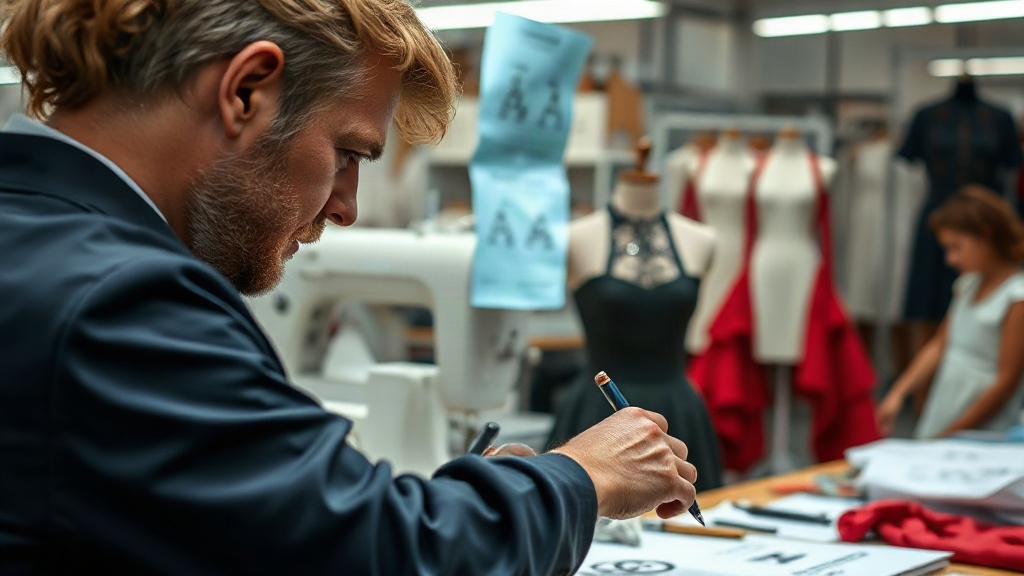
Couture is often described as fashion's laboratory, the place where ideas are allowed to run ahead of commerce. Behind every finished gown on a Paris runway sits a process that is part storytelling, part engineering and part endurance test. Understanding how that process works explains why a single garment can take hundreds of hours and why the craft continues to fascinate designers and audiences alike.
It Starts With a Story, Not a Silhouette
Most couture collections begin with a narrative or a visual obsession. A designer might fixate on a ballet, an architectural form, a landscape or a personal memory. This week, a designer from the Chicago suburb of Evanston drew attention for taking a collection inspired by *Swan Lake* to Paris for a Fashion Week debut. The choice is telling: ballet offers movement, contrast between light and dark, and a built-in vocabulary of tulle, feathers and structured bodices.
That kind of theme works as a creative filter. Once the story is set, every decision about color, texture and proportion can be tested against it. Without that anchor, a collection risks becoming a pile of pretty but unrelated pieces.
Research, Mood Boards and Sketching
After the concept comes visual research. Designers gather archival images, fabric swatches, paintings, photographs and sometimes objects that capture a mood. Mood boards translate abstract feelings into something a whole atelier can read.
Sketching follows, and in couture it tends to be loose and exploratory. Designers like Ulla Johnson have spoken publicly about how their process blends travel, textiles and artisanal collaboration, with early drawings evolving as materials and makers enter the conversation. In couture, the sketch is a starting point rather than a blueprint, because the fabric will always have a say.
Fabric Selection and Material Experimentation
Material choice is where couture separates itself from ready-to-wear. Designers source silk gazar, French lace, hand-dyed organza, and sometimes unconventional materials such as metal mesh or recycled components. Many create custom textiles, commissioning embroidery, beading or pleating from specialist workshops.
Sampling is critical. A bead pattern might be reworked several times to get the right weight and shimmer, since a heavy embellishment can distort a delicate base fabric.
Toile, Draping and Fittings
The next stage is the toile, a prototype made in inexpensive muslin. Pattern makers and *premières* drape the cloth on a dress form or live model, pinning and cutting until the silhouette is right. This stage reveals structural problems early, from collapsing waistlines to awkward movement.
Once the toile is approved, the garment is cut in the final fabric. Couture clients and fit models then attend multiple fittings, and adjustments are made by hand. Seams are often finished with invisible stitching, and internal corsetry, boning and layers of support are built to make dramatic shapes feel effortless on the body.
Handwork and the Atelier
The defining feature of couture is handwork. Embroiderers, tailors, flou specialists and finishers each contribute their skill. A single gown can involve many specialists working across weeks or months. This collaborative structure is why couture remains as much about human relationships as about design talent.
Where Technology Fits In
Technology is gradually joining the process. Researchers and designers are exploring how human-AI collaboration can support the fashion design workflow, from generating early visual variations to testing color palettes and predicting how patterns might translate across silhouettes. Digital tools such as 3D draping software also reduce material waste during prototyping.
Still, the strongest approaches treat these tools as assistants rather than authors. Taste, emotional intelligence and tactile knowledge remain firmly human strengths, and couture clients buy into exactly that.
Training the Next Generation
Formal education continues to feed the pipeline. University programs in fashion design typically combine technical instruction in patternmaking, draping and construction with studio projects, portfolio development and industry exposure. Graduates who understand both the craft and the business side are better prepared to launch their own labels or join established houses.
Why the Process Still Matters
The couture design process is slow by design. Each stage, from story to fitting, builds meaning into the final piece. In a fashion landscape driven by speed, that patience is exactly what gives a couture garment its value, and it explains why emerging designers still chase a Paris debut as a defining milestone.