Inside the Couture Design Process: From First Sketch to Runway in the Age of Sustainability
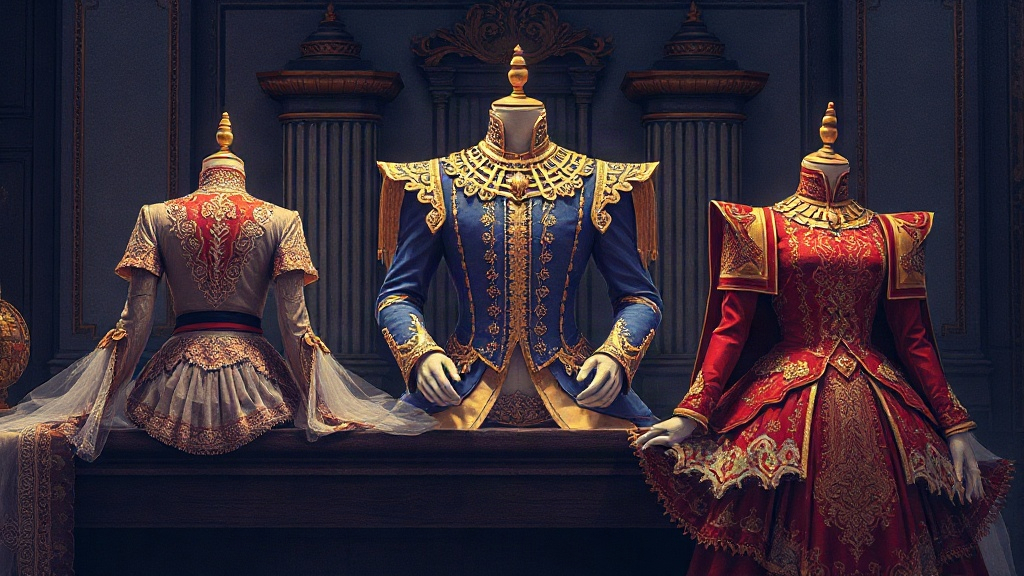
Couture is often described as fashion's laboratory, the place where ideas are tested at their most ambitious before they trickle down into ready-to-wear. Behind every finished gown is a design process that blends artistry, engineering, and patience. Today, that process is changing as sustainability thinking, new technology, and emerging designers reshape how a collection goes from first spark to runway.
From Inspiration to Sketch
Every couture collection starts with a story. Recent coverage of an Evanston-based designer preparing a "Swan Lake" inspired collection for a Paris Fashion Week debut is a good example. Ballet, with its tension between delicacy and strength, offers a rich visual vocabulary: layered tulle, sculpted bodices, feather-light movement, and monochrome palettes that read as both romantic and dramatic.
Designers typically gather this inspiration into mood boards that pull together photography, fabric swatches, historical references, and color studies. From there, the first sketches translate the narrative into silhouettes. At this stage, the question is less "Can it be made?" and more "What should it feel like?"
Fabric Selection and Draping
Couture diverges sharply from commercial fashion at the next step. Instead of relying solely on flat patterns, many ateliers drape fabric directly on a dress form, or use muslin to build a *toile*, a rough prototype that tests proportion, balance, and movement.
Fabric choice drives much of the design. A structured silk faille behaves nothing like chiffon or organza, and each demands its own construction method. Designers consider drape, weight, translucency, and how the material will move under stage lighting or camera flashes.
Fittings, Refinement, and Handwork
Once the toile is approved, the garment is cut in the final fabric. This is where couture earns its reputation. Skilled artisans handle:
- Hand-sewn seams and finishes that allow garments to move with the body - Embroidery and beading, which can take hundreds of hours for a single piece - Internal structure, including boning, corsetry, and layered underskirts - Multiple fittings to tailor each look to a specific body or model
Each fitting is a conversation between designer, pattern maker, and sewer. Small adjustments to a hem or neckline can change the whole attitude of a look.
Sustainability Enters the Atelier
One of the most important shifts in couture today is the integration of environmental thinking from the very start rather than as an afterthought. A recent framework published in Frontiers, an eco-design toolkit for iterative design of electronic clothing, shows how this thinking is advancing even in the most technical corners of fashion.
The core idea is that designers can evaluate material choices, repairability, energy use, and end-of-life options at every iteration instead of waiting until a product is finished. Though the research focuses on garments with embedded electronics, the principle applies broadly to couture. Designers can ask early on:
- Can this fabric be sourced from deadstock or certified suppliers? - Will the garment be easy to repair, alter, or disassemble? - Can trims, beads, and hardware be reused or recycled?
Because couture is made in small quantities and built to last, it is naturally well positioned for this approach. A piece designed to be altered, restored, and passed on has an inherently lower footprint than fast fashion.
Emerging Designers and the Global Stage
The story of a designer moving from a Midwestern city to a Paris Fashion Week debut reflects another trend: couture's talent pool is widening. Digital tools now let independent designers prototype in 3D, share fabric research globally, and build audiences before ever stepping onto a runway. Social platforms have also shortened the distance between a small studio and an international buyer or editor.
Still, the fundamentals remain. A debut collection succeeds when it has a clear point of view, impeccable construction, and a cohesive narrative from the first look to the last.
What the Process Teaches Us
The couture design process rewards slowness in a culture that prizes speed. Concept, draping, fitting, handwork, and finishing each leave room for reflection and improvement. As eco-design frameworks become standard practice and new voices join the Paris calendar, couture is becoming more thoughtful about how it makes beauty, not just what it makes. For designers and admirers alike, that evolution may prove as exciting as any gown on the runway.