Is Haute Couture Sustainable? How Designers Are Leading the Way in Circular Fashion
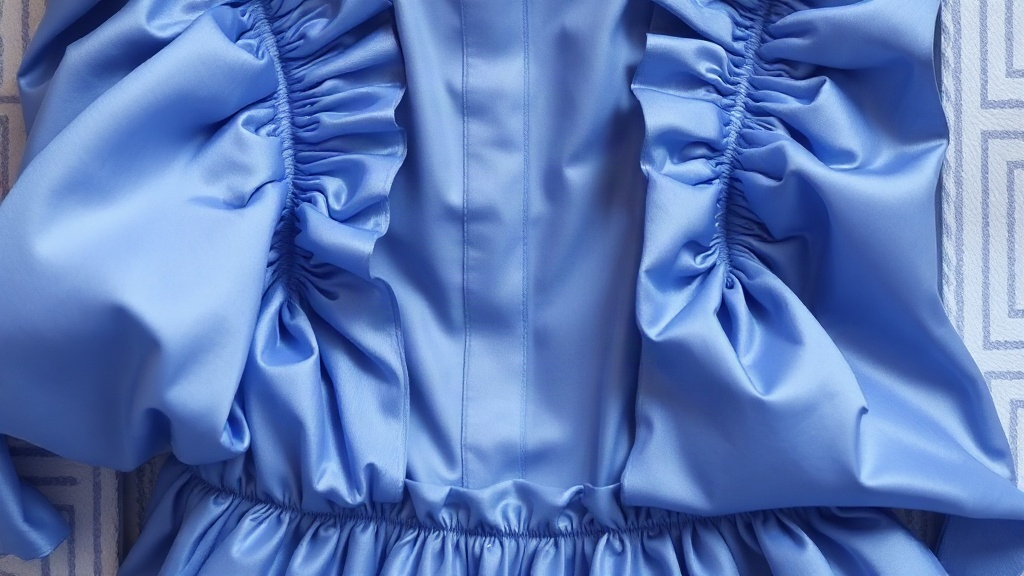
Haute couture has always been built on slowness. Garments are made by hand, in small numbers, often over hundreds of hours. That sounds like the opposite of fast fashion, so it is tempting to call couture sustainable by default. The reality is more nuanced, and the conversation is now moving from "is couture sustainable?" to "how can couture lead?"
Why Couture Has a Natural Head Start
Couture houses produce a tiny fraction of the volume of ready-to-wear brands. Each piece is made to order or in very limited runs, which means almost no overproduction and no unsold stock heading for landfill. Garments are fitted to an individual client, built to last, and frequently altered, repaired, or passed down for decades.
Those qualities line up with what sustainability experts recommend: buy less, choose well, and keep clothing in use for as long as possible. Craftsmanship also preserves skills such as embroidery, feather work, pleating, and hand-finishing, which are a form of cultural heritage worth protecting.
Where the Gaps Remain
Low volume does not guarantee low impact. Vogue's coverage has asked whether haute couture has what it takes to be truly sustainable, and the question is a fair one. Couture often relies on resource-intensive materials: delicate silks, metallic threads, thousands of crystals and sequins, and exotic textiles that may be difficult to trace. A single gown can involve extensive transport, air freight for fittings, and dramatic runway productions with their own carbon footprint.
Many pieces are also worn once for a red carpet or a show, then archived. Durability only counts for something if the garment is actually worn, reworn, or recycled at the end of its life.
Designers Who Are Rewriting the Rules
Some of the most interesting progress comes from designers who treat sustainability as a creative challenge rather than a constraint. Iris van Herpen is a well-known example. Her collaboration with Parley for the Oceans turned marine plastic waste into otherworldly, sculptural dresses, showing that recovered materials can sit comfortably within the most experimental corners of couture. The pieces carried a message as much as a silhouette: waste can be raw material, and beauty and responsibility are not mutually exclusive.
Other houses and independent ateliers are experimenting with deadstock fabrics, regenerated fibers, plant-based dyes, upcycled vintage textiles, and zero-waste pattern cutting. Rental and resale of couture pieces are also growing, extending the life of garments that might otherwise stay in storage.
Circular Design Enters the Spotlight
The shift is not limited to luxury ateliers. Initiatives like the Circular Design Challenge, highlighted recently by the United Nations in India, show how sustainability is being woven into fashion at the design stage. The circular approach asks designers to plan for a garment's entire life: choosing mono-material or recyclable fabrics, designing for repair and disassembly, and reducing waste from the very first sketch.
For couture, circular thinking is a natural extension of existing strengths. Ateliers already know how to alter, restructure, and reimagine garments. Applying that expertise to take-back programs, remaking archive pieces, and modular design could make the sector a genuine testing ground for the wider industry.
What Conscious Shoppers Can Look For
Whether buying couture or simply drawing inspiration from it, a few principles help separate real progress from marketing:
- Transparency: Look for brands that name their fabric sources, suppliers, and certifications rather than relying on vague claims. - Material choices: Recycled, regenerated, or deadstock fabrics and low-impact dyes signal a serious commitment. - Longevity: Timeless design, quality construction, and repair services extend a garment's life. - Circular options: Resale, rental, and remake programs show a brand is thinking beyond the first sale.
The Road Ahead
Sustainable couture is not a finished achievement but a direction of travel. The craft traditions that define haute couture give it a real advantage, while its use of luxury materials and spectacle keeps it accountable. As designers, institutions, and clients push for transparency and circularity, couture has an opportunity to prove that the most beautiful clothing can also be the most thoughtfully made, and to set a standard that the rest of fashion can follow.