Sustainable Couture: A Practical Guide to Ethical Luxury Fashion
Sustainable couture is reshaping luxury fashion by combining artisanal craftsmanship with responsibility. High-end designers and […]
Sustainable couture is reshaping luxury fashion by combining artisanal craftsmanship with responsibility. High-end designers and ateliers are moving beyond token gestures, investing in materials, processes, and business models that reduce environmental impact while preserving the emotional value and longevity consumers expect from couture.
What defines sustainable couture
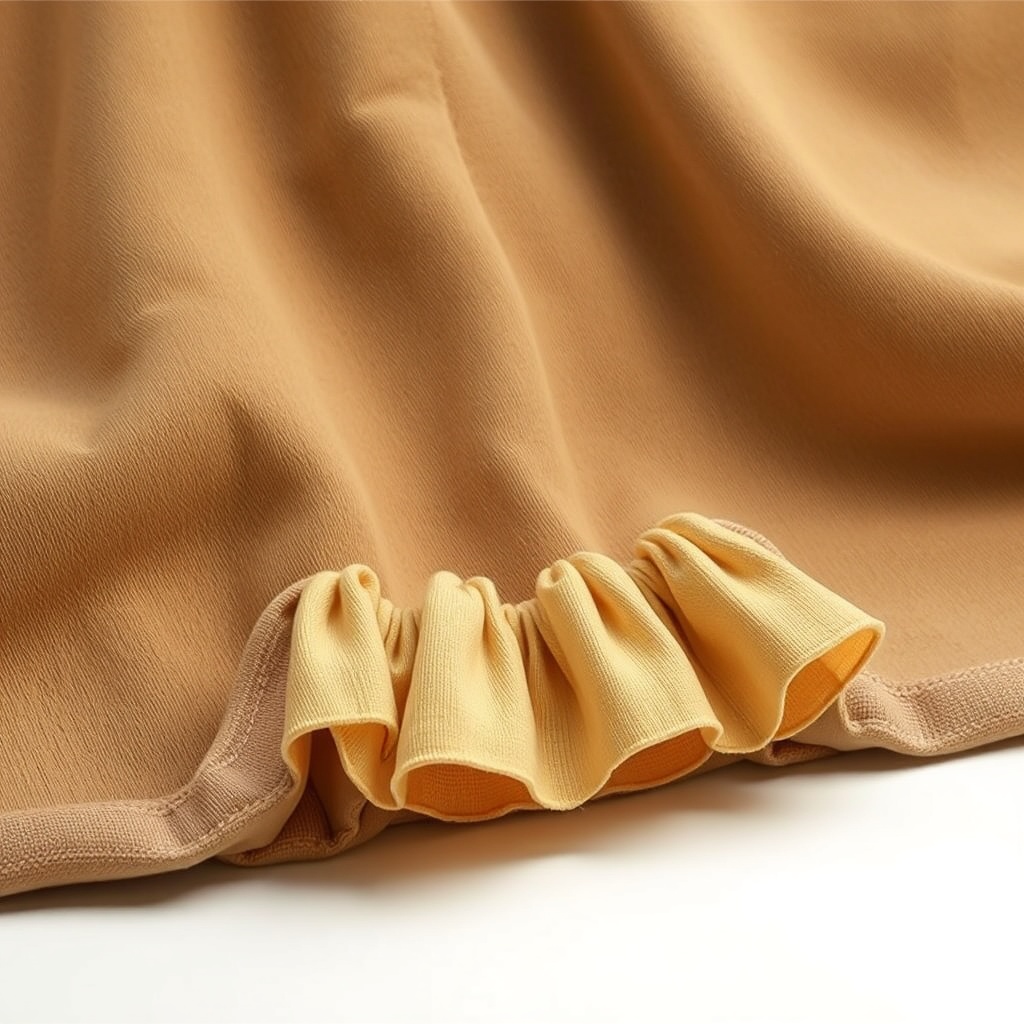
Sustainable couture prioritizes transparency, quality, and circularity. It emphasizes:
– Traceable materials: fibers sourced with visible origin stories, from regenerative farms to certified recycled textiles.
– Low-impact processes: dyeing and finishing methods that minimize water, energy, and chemical use.
– Ethical craft: fair wages, safe working conditions, and partnerships that uplift traditional artisan communities.
– Longevity and repairability: design for durability, available repair services, and modular pieces that can be updated rather than discarded.
Materials and technologies to watch
Natural fibers grown with regenerative practices restore soil health and sequester carbon. Recycled fibers, including mechanically and chemically recycled wool and polyester, divert waste from landfills.
Innovative biomaterials — like mycelium-based leather alternatives and fruit or cactus leathers — offer animal-free luxury without the heavy footprint of conventional leather. Zero-waste and digital-pattern technologies reduce offcuts, while advanced dyeing methods and plant-based dyes cut water and chemical use.
Circular business models
Couturiers are exploring rental, resale, and take-back programs to extend garment lifecycles. Made-to-order and small-batch production minimize overproduction and ensure pieces are meaningful investments.
Some labels provide garment passports — digital IDs that document provenance, materials, and care instructions — making repair and resale easier and more trustworthy.
How to spot genuine sustainability (and avoid greenwashing)
With sustainability now a selling point, claims can be vague. Look for:
– Third-party certifications like GOTS, OEKO-TEX, Bluesign, Fair Trade, and Cradle to Cradle, depending on the material or practice.
– Supply chain transparency: brands that publish supplier lists, factory audits, or impact reports.
– Clear take-back, repair, or refurbishment programs.
– Measurable goals and verifiable progress rather than broad statements.
Practical tips for buying and caring for sustainable couture
– Buy less, choose better: prioritize classic silhouettes, superior fit, and versatile pieces that work across occasions.
– Prefer natural or certified recycled fibers and waste-reducing construction techniques.
– Ask questions: where was this made? Who produced the fabric? What happens at end of life?
– Care intentionally: wash less, use cold water and gentle detergents, air dry when possible, and rely on professional repairs to extend service life.
– Consider rental or resale for one-off events; support brands with refurbishment services.
Benefits that matter
Sustainable couture preserves the intangible value of luxury: heritage techniques, unique craftsmanship, and emotional attachment.
It reduces waste and pollution, supports local economies, and encourages mindful consumption. For consumers, the payoff is garments that look and feel exceptional while aligning with personal values.
Where to start
If you’re curious about sustainable couture, begin by auditing your wardrobe: identify gaps to fill with high-quality pieces, repair what you own, and explore rental and vintage options for special occasions. When shopping, prioritize transparency and certifications, and support brands that invest in both people and the planet.
Sustainable couture isn’t a trend; it’s an evolution of luxury toward resilience and responsibility.
Investing in thoughtful pieces and demanding accountability from brands accelerates that shift, creating a fashion ecosystem that’s beautiful, ethical, and built to last.