Sustainable Couture: How Haute Couture's Slow Fashion Model Is Shaping a More Responsible Future
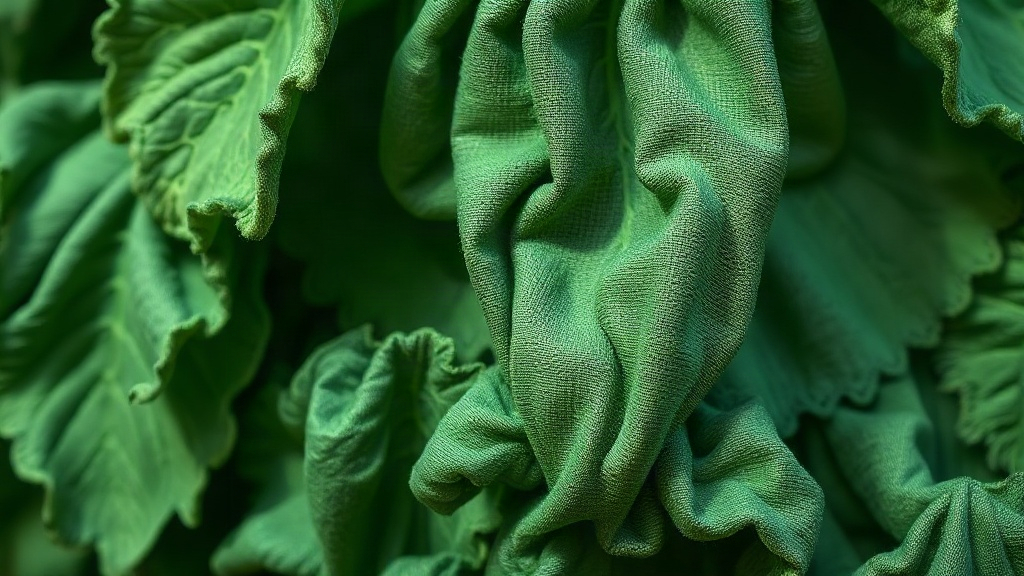
Couture has always been slow fashion. Long before "sustainability" became a marketing term, the haute couture atelier worked on a simple principle: make fewer things, make them by hand, and make them to last. Today, as the wider industry deals with overproduction, textile waste, and greater scrutiny of its claims, that old model is being rediscovered as a blueprint for a more responsible way to dress.
Why Couture Fits the Sustainability Conversation
Couture is made to order, which removes the biggest problem in fast fashion: unsold stock. Garments are cut for a specific client, fitted several times, and finished by skilled hands. There are no massive production runs and no markdown cycles, and very little ends up in landfill.
Lucy Tammam, founder of Atelier Tammam, has put it plainly, describing couture as the perfect model for sustainability. The reasoning is hard to argue with. A piece built around one person's body, with quality materials and careful construction, is designed to be worn, altered, repaired, and often passed on. Longevity is the point, not an afterthought.
Upcycling and Deadstock Take Center Stage
The most interesting developments in sustainable couture go beyond making fewer clothes. Designers are rethinking what the raw material can be. Ronald van der Kemp, whose label RVDK has become a reference point for the movement, builds couture collections from vintage textiles, surplus fabrics, and reclaimed materials. His most recent spring presentation, covered by WWD under the title "Model Behavior," continued that approach and showed that upcycled materials can deliver the drama, polish, and craftsmanship the couture calendar demands.
This matters because it challenges the idea that responsible fashion has to look modest or utilitarian. Hand-embroidered surfaces, sculpted silhouettes, and fabrics with a past can be every bit as luxurious as newly woven silks, and often more distinctive. A dress made from rescued materials carries a story, which is exactly what high-end clients increasingly want.
Luxury Audiences Are Paying Attention
Sustainable couture has also found its way into the settings where luxury is traditionally displayed. Coverage a few years ago of a Montenegro event pairing eco-minded couture with the superyacht crowd captured an apparent contradiction, but also a real shift. Wealthy clients are asking where their clothes come from, who made them, and how long they will last. Whatever the contradictions of the lifestyle around them, they are drawn to the idea that a single, beautifully made garment is better than a wardrobe of disposable ones.
What Makes a Couture Claim Credible
As interest grows, so does the risk of greenwashing. A few markers separate genuine commitment from clever messaging:
- Transparent sourcing: Brands should be able to say where fabrics, trims, and embellishments come from. - Material choices: Deadstock, vintage, certified organic, and recycled fibers carry more weight than vague "eco" labels. - Repair and alteration services: A house that supports its pieces over decades shows real confidence in durability. - Fair labor practices: Craftsmanship is only sustainable if the artisans behind it are paid and valued properly. - Small-batch or made-to-order production: Producing only what is wanted is the most effective form of waste reduction.
Lessons for Everyday Wardrobes
Most people will never commission a couture gown, but the philosophy scales down well. Buying less and choosing better, investing in tailoring, learning basic repairs, and favoring pieces with timeless construction all borrow directly from the atelier mindset. Even secondhand and vintage shopping echoes the couture ethos of valuing materials and workmanship over novelty.
A Future Built on Craft
The strongest case for sustainable couture is that it shows what fashion can look like when quality outranks quantity. It keeps traditional skills alive, pushes designers to be inventive with limited resources, and gives the wider industry a proof of concept. As more houses embrace upcycling, transparency, and made-to-measure production, the line between couture and sustainability is likely to keep fading, and fashion will be better for it.