Sustainable Couture: How Haute Fashion Houses and Emerging Designers Are Earning the Label
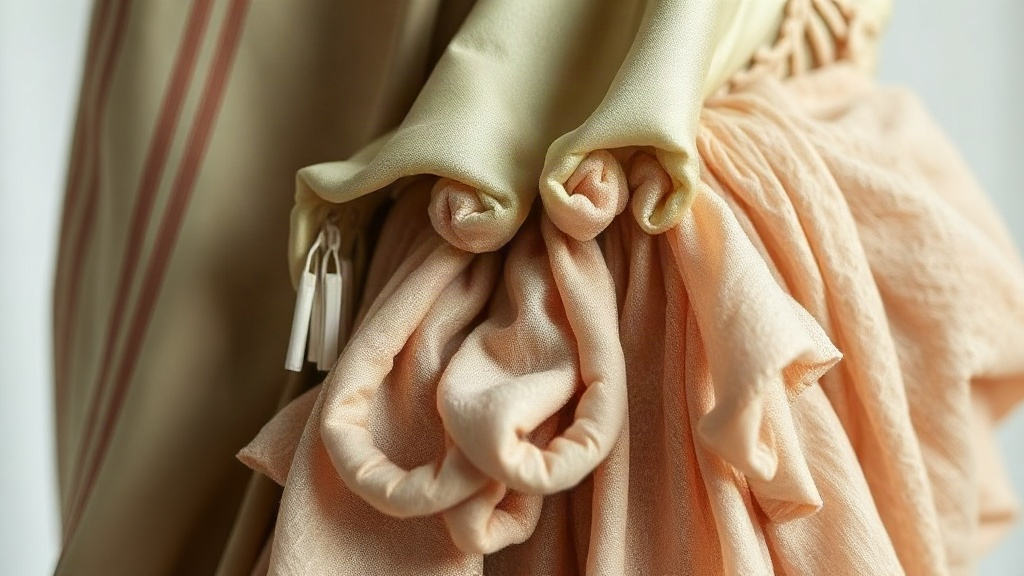
Couture has always been about slowness, skill and singularity. A single gown can take hundreds of hours of hand-finishing, and a client may wait months for it. That sounds like the natural enemy of fast fashion, yet the label "sustainable" doesn't attach itself to couture automatically. Today the most interesting houses and emerging designers are working to earn it.
Why Couture and Sustainability Are Natural Partners
At its core, couture is made to order. There is no overproduction, no mountain of unsold stock and no markdown cycle. Garments are fitted to one person, built to last and often passed down or archived. Those traits line up neatly with the principles sustainability advocates push for: fewer, better pieces that stay in circulation for decades.
But a low volume of production doesn't guarantee low impact. Rare skins and feathers, heavily embellished textiles, air-freighted fabrics and the sheer amount of material in a dramatic silhouette all carry real environmental costs. Ethical watchdogs such as Good On You have examined how haute couture houses measure up, and the picture is mixed. Many luxury names still lag on transparency, supply chain disclosure and clear targets for emissions or materials, even as their craftsmanship is held up as a model of longevity.
What Sustainable Couture Looks Like Now
Recent runway coverage shows the conversation has moved beyond a single "eco capsule." At Ljubljana Fashion Week, highlighted by Forbes, sustainable couture shared the schedule with streetwear, a sign that responsible design is now woven into the broader fashion conversation rather than sitting in its own niche. Regional fashion weeks like this one give emerging designers room to experiment with local sourcing, small-batch production and heritage techniques.
Several approaches keep surfacing across the industry:
- Deadstock and archive fabrics: Designers rework leftover luxury textiles from mills and previous collections, turning surplus into one-of-a-kind pieces. - Regenerative and low-impact fibers: Organic silk, regenerated cellulose, responsibly sourced wool and plant-based alternatives are replacing more resource-hungry options. - Upcycled embellishment: Beadwork, sequins and trims are salvaged from older garments instead of being produced from scratch. - Modular construction: Detachable sleeves, convertible skirts and adjustable bodices let one piece serve several occasions and body changes. - Digital prototyping: 3D sampling cuts down on the toile fabric wasted in the development stage.
The Transparency Test
The most important shift may not be visual at all. Clients and critics are asking harder questions: Where was the fabric woven? Who stitched the hem, and under what conditions? Are claims backed by certifications or third-party audits? Vague language such as "conscious" or "green" is increasingly met with skepticism, and rightly so.
Ateliers have a real advantage here. Their workforces are small, skilled and often directly employed, so they can document fair wages and working conditions far more easily than a sprawling mass-market supply chain. Houses that publish material sourcing, animal welfare policies and emissions goals are setting themselves apart from those relying on mood boards and slogans.
How to Shop Couture With a Clear Conscience
Not everyone commissions a gown, but the ideas translate to any wardrobe or any special-occasion purchase:
1. Ask for provenance. A designer who is proud of their materials will happily explain them. 2. Choose timeless over trendy. A silhouette you will still love in twenty years is the most sustainable choice. 3. Consider rental or resale. Bridal, red-carpet and evening pieces are increasingly available through high-end rental platforms and vintage dealers. 4. Plan for repair. Good couture can be altered, restored and re-fitted. Treat that as part of the value.
Where the Industry Goes Next
Sustainable couture is no longer a contradiction in terms, but it still has to prove itself with data rather than aesthetics. Expect more pressure for supply chain traceability, tighter rules around environmental claims and greater demand for repair and resale services from the houses themselves. The designers who thrive will be those who treat craftsmanship and accountability as the same promise: that something beautiful was made with care, for people and for the planet.