Sustainable Couture: How Heritage Craft and Slow Fashion Are Redefining Luxury
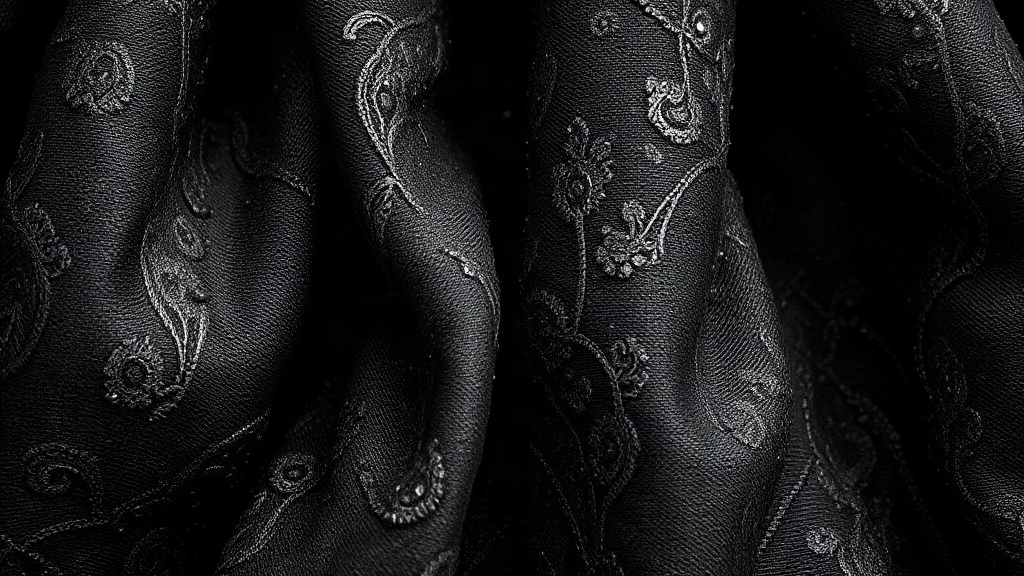
Sustainable couture used to sound like a contradiction. Couture means rarefied materials, hundreds of hours of handwork, and garments made for a single wearer. Sustainability, on the other hand, was long framed as a mass-market problem about fast fashion, landfill waste, and cheap synthetics. Today the two ideas are converging, and some of the most interesting conversations in fashion are happening where they meet.
Why Couture Is Naturally Suited to Slow Fashion
At its core, couture already follows many of the principles that sustainable fashion advocates promote. Pieces are made to order, which means little to no overproduction. Garments are built to last, often becoming heirlooms. Skilled artisans, from embroiderers to pleaters, are paid for their expertise rather than squeezed for speed.
The industry has asked for some time whether couture collections can lead the way in sustainability, and the question has only grown more relevant. Couture houses sit at the top of the fashion pyramid, so their choices influence materials, techniques, and consumer expectations far beyond their own client lists. When a house champions deadstock fabric or plant-based dyes, it gives those practices cultural credibility.
Craft Traditions as a Sustainability Strategy
One of the most compelling developments is the renewed focus on heritage textile techniques. Designers are turning to hand-dyeing, hand-embroidery, and regional weaving traditions that are low-waste by nature and support artisan communities.
A recent example comes from India, where the label Reverie by Saaksha & Kinni reimagined appliqué, bandhani, and leheriya in bold, sustainable couture. Bandhani, a tie-dye method of binding fabric before dyeing, and leheriya, known for its diagonal wave-like stripes, are centuries-old resist-dyeing crafts. Pairing them with appliqué, a technique that can repurpose fabric offcuts into decorative detail, shows how traditional methods can feel fresh and modern while keeping waste low.
This approach matters because it treats sustainability as a creative driver rather than a limitation. Instead of stripping back design to meet environmental goals, designers are layering color, texture, and storytelling through techniques that are inherently responsible.
What Sustainable Couture Looks Like in Practice
Several practices are shaping the category right now:
- Deadstock and surplus fabrics: Using existing luxury textiles that would otherwise go unused reduces the demand for new production. - Natural and low-impact dyes: Plant-based and azo-free dyes limit water pollution and chemical exposure. - Upcycled embellishment: Vintage beads, sequins, and fabric scraps are reworked into new embroidery. - Made-to-order production: Creating pieces only when a client commissions them prevents unsold inventory. - Repair and re-wear services: Alterations and restoration extend a garment's life across generations. - Transparent sourcing: Clear information about fibers, workshops, and labor conditions builds trust with clients.
The Challenges That Remain
It would be too easy to call couture sustainable by default. Luxury fabrics such as silk, feathers, and heavily beaded materials carry their own environmental footprint. Air freight for fittings, one-off event garments worn once, and a lack of standardized impact reporting all complicate the picture. Claims of sustainability need evidence, and savvy clients are increasingly skeptical of vague marketing language.
Regulation is also tightening in many markets, with greater scrutiny on green claims and growing expectations around supply chain transparency. Brands that document their practices honestly will be better positioned than those relying on buzzwords.
What Shoppers and Clients Can Do
Anyone interested in sustainable couture, whether commissioning a gown or simply shopping with more intention, can apply a few simple principles:
1. Ask where the fabric comes from and who made the garment. 2. Choose timeless silhouettes and craftsmanship over trend-driven pieces. 3. Consider rental, re-wear, or restyling for special occasions. 4. Look for designers who credit artisans and invest in their communities. 5. Care for garments properly so they last.
A More Meaningful Definition of Luxury
Luxury is being redefined around provenance, longevity, and human skill rather than sheer excess. Sustainable couture sits at the heart of that shift. When a garment carries the story of its makers, uses materials thoughtfully, and is designed to be treasured for decades, it offers something fast fashion never can: a lasting sense of value.