Sustainable Couture: How Luxury Fashion Is Embracing Craftsmanship, Heritage and Eco-Conscious Design
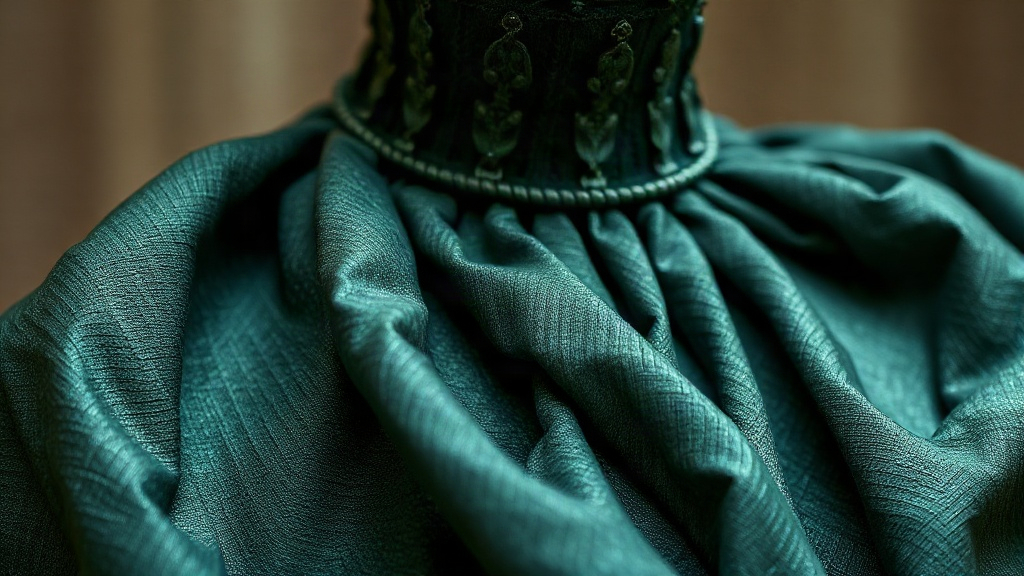
Couture has always been about patience, craftsmanship and pieces made to last. That makes it a natural fit for sustainability, even if the industry took a long time to say so out loud. Today, designers, students and community organizers are showing that the most exclusive end of fashion can also be among the most responsible.
Why Couture and Sustainability Belong Together
Haute couture is made to order, in small quantities, and often by hand. Those traits are the opposite of fast fashion's overproduction and landfill-bound waste. A gown that takes hundreds of hours to embroider is rarely discarded after one season. It is archived, altered, inherited or worn again.
Sustainable couture builds on that foundation. It adds responsibly sourced fabrics, upcycled materials, natural dyes, low-waste pattern cutting and transparent supply chains. The result is eveningwear and statement pieces that carry a story as well as a silhouette.
Couture Takes the Climate Stage
One of the clearest signs of the shift came when Lebanese designer Rami Kadi presented an ocean-themed couture show at a major UN climate summit in Dubai. The presentation used the runway to link marine conservation with fashion, turning the fragility of the seas into flowing, sculptural garments. It showed that couture can be more than spectacle. It can carry an environmental message in front of global decision-makers.
Moments like this matter because they change the conversation. Sustainability stops being a footnote on a hangtag and becomes the creative concept itself.
Heritage Craft as a Sustainable Strategy
Some of the most compelling work draws on traditions that were low-impact long before the word "sustainable" became a marketing term. Indian design duo Saaksha & Kinni recently showed this with their collection *Reverie*, which reimagines appliqué, bandhani and leheriya in bold, contemporary forms.
Bandhani is a tie-dye technique, and leheriya produces wave-like diagonal stripes. Both are rooted in artisan communities, and both depend on skilled hands rather than energy-hungry machinery. Applying them to modern couture does two things at once:
- It keeps traditional crafts economically viable for the artisans who practice them. - It gives luxury shoppers distinctive pieces that mass production cannot copy.
Appliqué is also a clever tool for resourcefulness, since it allows offcuts and remnant fabrics to become decorative layers rather than waste.
Students and Communities Are Driving the Movement
Sustainable couture is not only a runway phenomenon. Campus and community events have become important testing grounds for new ideas. Vanderbilt Fashion Week, for example, has paired high-concept design with environmental awareness and given student designers a place to experiment with reuse and mindful production.
Charity and civic events are following suit. Pittsburgh's Ecolution Fashion Gala showcased couture made from repurposed and eco-conscious materials, proving that sustainability can be glamorous and community-minded at once. Events like these introduce new audiences to the idea that dressing up does not have to cost the planet.
What Shoppers Can Take Away
You do not need a couture budget to apply the philosophy. A few principles carry over to any wardrobe:
1. Buy fewer, better pieces. Quality construction and timeless design extend a garment's life. 2. Ask about materials. Look for natural fibers, deadstock fabric, recycled textiles and low-impact dyes. 3. Value handwork. Artisanal techniques usually mean fairer, slower and more traceable production. 4. Rent, tailor or restyle. Special-occasion clothing is ideal for renting, borrowing or altering. 5. Support transparent designers. Brands that share their sourcing and production methods are easier to trust.
The Road Ahead
The challenge for sustainable couture is to keep its promises credible. Greenwashing remains a risk, and audiences are increasingly alert to vague claims. The designers gaining the most respect are those who document their processes, credit their artisans and design garments meant to be kept.
If the latest runways and galas are any indication, the future of luxury will be defined less by excess and more by intention. The most beautiful gown in the room may be the one with the most thoughtful story behind it.