Sustainable Couture: How Ocean Plastic and Fungal Textiles Are Redefining Luxury Fashion
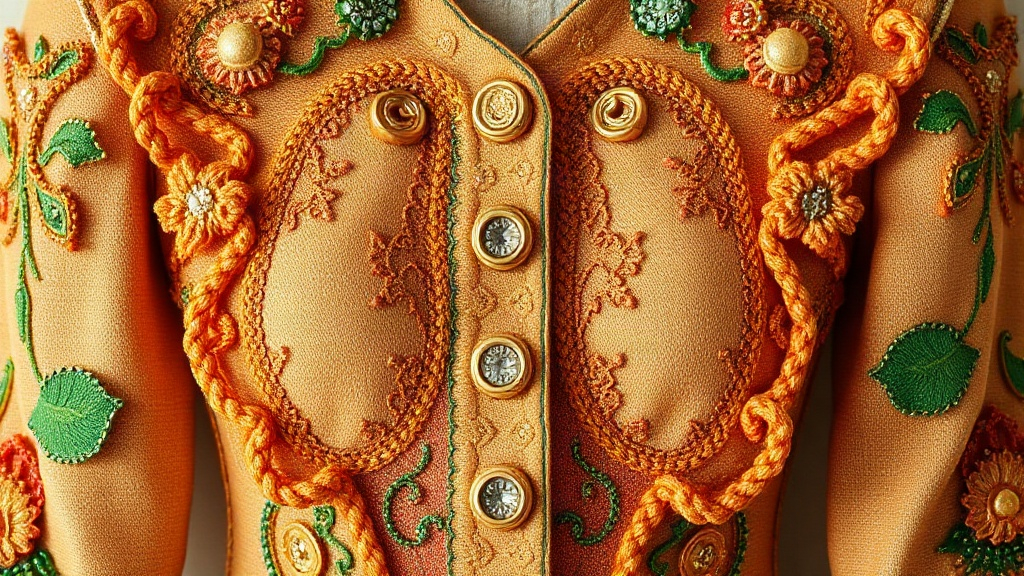
Sustainable couture was once treated as a contradiction. Haute couture meant extravagance: hundreds of hours of handwork, rare materials and silhouettes that existed to astonish. Sustainability meant restraint. Today the two ideas are converging, and some of the most exciting work in fashion comes from designers who treat environmental responsibility as a creative challenge rather than a limitation.
Why Couture Is a Natural Home for Sustainability
Couture is built on principles that align surprisingly well with sustainable thinking. Garments are made to order, in small numbers, by skilled artisans. There is no overproduction, no unsold inventory heading to a landfill, and no race to the lowest price. Pieces are designed to last for decades and often end up in museum archives or private collections rather than the back of a wardrobe.
The weak point has always been materials and process. Exotic skins, heavily dyed silks, synthetic embellishments and energy-intensive finishing all carry a real footprint. That is where the current wave of innovation is concentrated.
Ocean Plastic as a Couture Material
One of the clearest early examples of this shift was Iris van Herpen's collaboration with Parley for the Oceans. The Dutch designer, known for sculptural, almost architectural dresses, worked with fabrics made from recycled marine plastic waste. The result showed that reclaimed materials could carry the same drama and technical precision as traditional couture textiles.
The project mattered for two reasons. It gave a luxury audience a visual, emotional connection to ocean pollution. It also proved that recycled yarns could be manipulated, pleated and laser-cut with the same ambition as any precious fabric. Since then, many houses have adopted regenerated nylon and polyester for ready-to-wear and special collections.
Living Textiles: The Fungi Frontier
The newest chapter goes beyond recycling into biology. Recent coverage has highlighted textiles grown from live fungi, including work inspired by cordyceps, which is reshaping how designers think about fabric. Instead of weaving fibers from crops or petrochemicals, material scientists cultivate mycelium, the root-like network of fungi, into flexible sheets that can be dyed, cut and sewn.
The appeal is easy to understand:
- Low resource input: Mycelium grows quickly, often on agricultural waste, with far less water and land than cotton or leather. - Biodegradability: At the end of its life, a fungal textile can return to the soil rather than lingering for centuries. - Design freedom: Growth can be guided into specific textures, thicknesses and shapes, which suits the sculptural ambitions of couture. - Leather alternatives: Mycelium-based materials offer a credible path away from animal hides and plastic-coated substitutes.
Challenges remain. Durability, consistent scaling and finishing treatments are still being refined, and some coatings can undermine biodegradability. Couture, with its small runs and tolerance for experimentation, is an ideal testing ground before wider adoption.
What Sustainable Couture Looks Like in Practice
Beyond headline materials, the movement shows up in quieter ways:
- Deadstock and archival fabrics repurposed into new silhouettes - Natural and low-impact dyes replacing harsh chemical processes - 3D printing and digital pattern cutting that reduce offcuts - Repair, alteration and resale services that extend garment lifespans - Transparent sourcing so clients know where materials originate
What Buyers and Enthusiasts Should Watch
For anyone following the space, the most meaningful signals are specifics. Look for designers who name their material suppliers, explain end-of-life options and share measurable data instead of vague claims like "eco-conscious." Genuine progress tends to be detailed.
The broader lesson is that couture's role has always been to explore what fashion can become. Ocean plastic gowns made the problem visible. Fungal textiles suggest a future in which a garment is grown, worn for generations and eventually returned to the earth. If the industry keeps pairing artistry with rigorous science, sustainable couture will stop being a niche category and start defining what luxury means.