Sustainable Couture: How Slow Fashion's Oldest Craft Is Shaping the Future of Responsible Design
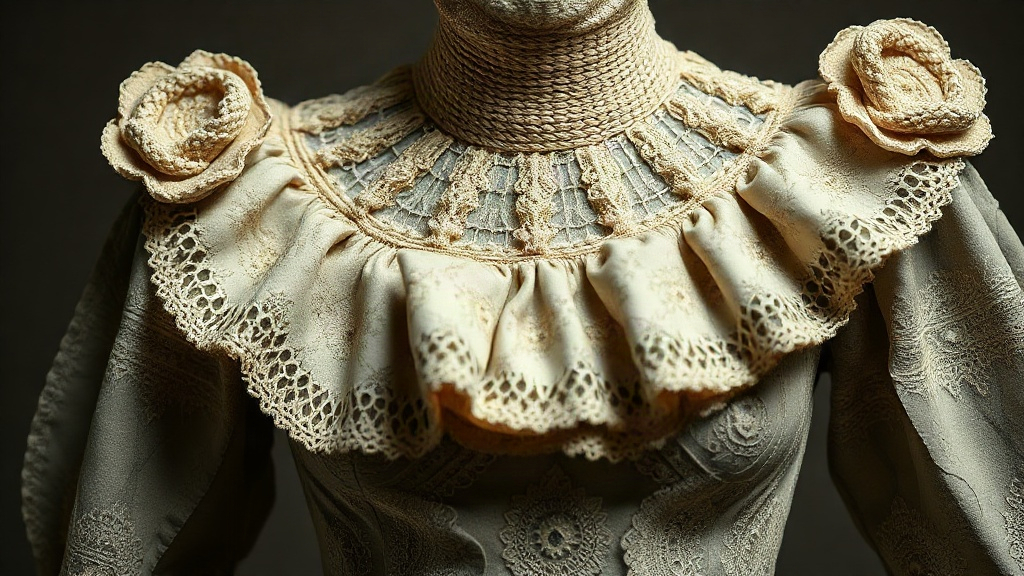
Couture has always been fashion's slow art. Each garment is designed for one person, built by hand over weeks or months, and made to last decades. As the industry confronts its environmental footprint, that long-standing approach is now being reread as a blueprint for responsible design. Sustainable couture isn't a trend so much as a return to first principles.
Why Couture Fits the Sustainability Conversation
Fast fashion thrives on volume: huge production runs, short wear cycles, and disposal measured in weeks. Couture reverses nearly every one of those habits.
- Made to order: Pieces are produced only when a client commissions them, which virtually eliminates overproduction and unsold stock. - Longevity by design: Hand-finished seams, structural internal construction, and quality materials mean garments can be worn, altered, and passed down. - Repairability: Because the atelier knows exactly how a piece was built, restoration and resizing are part of the service rather than an afterthought. - Local craft: Small teams of skilled artisans often work close to home, shortening supply chains and preserving traditional techniques.
This is the argument made by designers such as Lucy Tammam, founder of Atelier Tammam, who has described couture as the perfect model for sustainability. Her view reflects a growing consensus: when clothing is made with care, for a specific person, and intended to be kept, waste is reduced at the source.
Materials and Methods Leading the Way
Craftsmanship alone doesn't make a garment sustainable. Today's most thoughtful ateliers are also rethinking what goes into the work.
Deadstock and surplus fabrics. Designers are sourcing leftover luxury textiles from mills and fashion houses, giving beautiful materials a second life instead of letting them go to landfill.
Responsibly produced fibers. Organic silk, certified wool, linen, and regenerated cellulose fibers are increasingly specified for bridal and eveningwear. Lower-impact dyeing methods and natural pigments are gaining ground too.
Upcycled embellishment. Vintage beading, antique lace, and reclaimed trims bring heirloom character to new designs while cutting the need for newly manufactured components.
Zero-waste pattern cutting. Clever layouts and the reuse of cutting offcuts in smaller details or accessories reduce fabric waste at the cutting table.
Sustainable Couture Moves Into the Community
The movement is no longer confined to Parisian salons. Events like the Ecolution Fashion Gala, covered by Pittsburgh Magazine, show how eco-conscious design is reaching wider audiences. Showcasing sustainable couture on a runway, in a city better known for steel than style, signals that the conversation has become mainstream, and that local designers, students, and enthusiasts want to be part of it.
Events like this matter because they turn abstract values into something tangible. Seeing a gown crafted from repurposed materials or a tailored look built from reclaimed textiles shows that sustainability and glamour are not opposites.
What Conscious Shoppers Can Learn From Couture
Not everyone can commission a bespoke gown, but the couture mindset is easy to borrow:
1. Buy fewer, better pieces. Prioritize quality construction and timeless silhouettes over fleeting trends. 2. Invest in tailoring. A well-fitted garment is worn more often, and alterations extend the life of what you already own. 3. Ask questions. Where was it made? By whom? What is it made from? Transparent brands welcome these questions. 4. Rent or restyle for occasions. Special-event wardrobes are a prime opportunity for rental, resale, or reworking an existing piece. 5. Care for your clothes. Proper storage, gentle cleaning, and timely repairs make a significant difference.
The Road Ahead
Sustainable couture still faces real challenges. Exclusivity and high price points limit access, and claims about eco-friendliness need clear evidence to avoid greenwashing. Yet the sector's influence reaches far beyond its client lists. Techniques, materials, and attitudes developed in the atelier tend to filter down into ready-to-wear and broader industry practice.
As consumers grow more discerning and regulators push for greater transparency, the principles at the heart of couture (intention, skill, durability, and respect for materials) look less like a luxury and more like the future standard for how clothing should be made.