Sustainable Couture: Why Slow, Handcrafted Fashion Is a Natural Model for Eco-Conscious Luxury
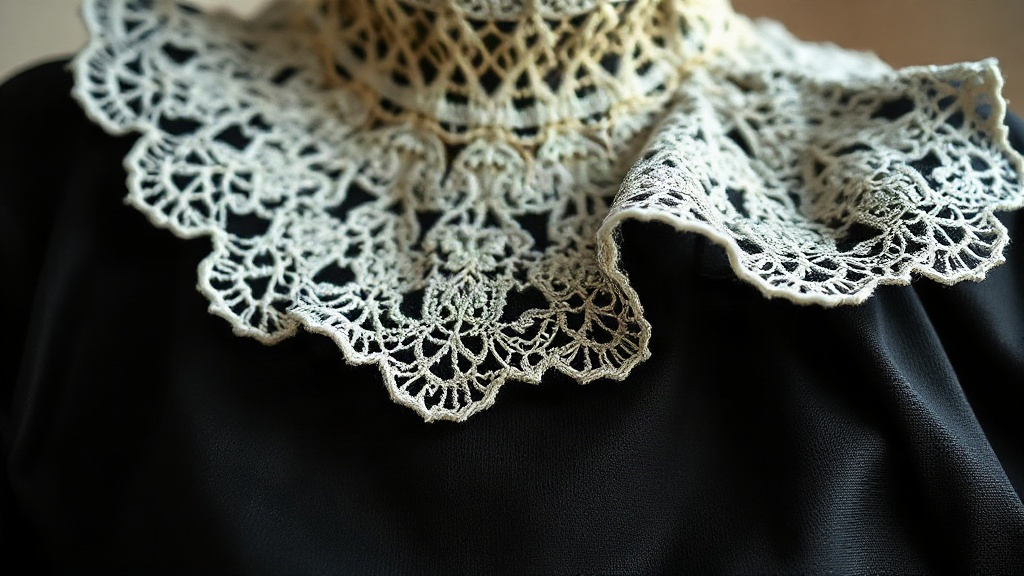
Couture has always been slow fashion. Long before "sustainability" became a marketing term, ateliers were building garments by hand, to a single client's measurements, with a level of craftsmanship meant to last decades. That heritage is why more designers and industry voices are now arguing that couture is not just compatible with sustainability, but a natural model for it.
Why Couture Fits the Sustainability Conversation
Fast fashion thrives on volume, speed and disposability. Couture runs on the opposite principles: made-to-order production, minimal waste, and pieces designed to be altered, restyled and passed down.
Lucy Tammam, founder of Atelier Tammam, has made this point publicly, describing couture as a "perfect model for sustainability." The logic is easy to follow. When a garment is cut for one person, there is no unsold inventory, no overproduction and no markdown cycle that ends in landfill. Fabric is chosen with intent, and every hour of labor is accounted for.
Fit matters too. A garment tailored to the body gets worn more often and kept longer, and wear frequency is one of the strongest predictors of a garment's environmental footprint.
The Rise of Sustainable Couture on the Runway
The idea is moving from conversation to catwalk. At India Estate Week-style fashion showcases and major fashion weeks, designers are increasingly pairing heritage techniques with responsible materials. Indian designer JJ Valaya, known for opulent craftsmanship, recently presented a sustainable couture collection that highlighted how traditional embroidery, weaving and surface ornamentation can carry an eco-conscious message without losing grandeur.
This matters because India's artisan ecosystem, from hand-loom weavers to zardozi embroiderers, represents one of the world's deepest reservoirs of low-impact textile skill. Supporting it keeps cultural knowledge alive while providing livelihoods.
Community-led events are also helping. Fashion galas like Pittsburgh's Ecolution have shown that sustainable couture is not confined to Paris or Milan. Local showcases featuring upcycled materials, repurposed textiles and sculptural eco-design are building audiences who see high fashion and environmental responsibility as allies rather than opposites.
What Makes a Couture Piece Truly Sustainable?
Not every handmade garment is automatically green. Genuine sustainable couture looks at the whole lifecycle:
- Materials: Organic or regenerated fibers, deadstock fabrics, vintage textiles and low-impact dyes. - Production: Made-to-order workflows, zero-waste pattern cutting and the reuse of offcuts for trims and accessories. - Labor: Fair wages, safe workshops and recognition for artisans. - Longevity: Timeless silhouettes, reinforced construction and designs that allow for resizing or repair. - End of life: Repair services, resale, archiving or take-back programs.
Brands that communicate these points transparently earn trust. Vague claims about being "eco" without evidence are increasingly challenged by informed consumers and by tightening greenwashing regulations in many markets.
Challenges the Industry Still Faces
Couture is not perfect. Luxury fabrics can carry heavy footprints, international shipping and travel to fittings add emissions, and heavily embellished pieces may use materials that are difficult to recycle. Cost is another barrier: handcrafted work is expensive by nature, which limits access.
Still, the sector has room to lead. Digital fittings can reduce travel, material traceability tools can verify sourcing, and ateliers can formalize repair and remodeling services as part of the client relationship.
What Consumers Can Take Away
Buyers interested in sustainable luxury can start with a few simple habits:
1. Ask about fabric origins and production methods. 2. Choose designs that can be worn for multiple occasions. 3. Consider rental, vintage or remodeled couture for one-off events. 4. Invest in alterations and care to extend a garment's life.
The most sustainable garment is often the one that is cherished for years. By valuing craft, transparency and longevity, couture offers a blueprint the wider fashion industry can learn from, proving that beauty and responsibility can be stitched into the same seam.