The Couture Design Process: From First Sketch to Final Stitch in the Age of Digital Fashion
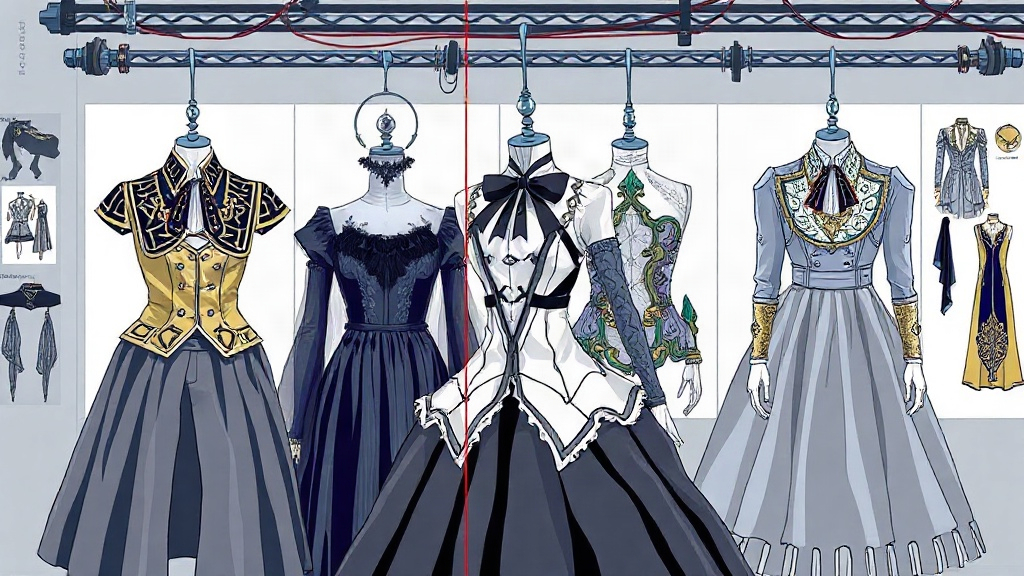
Couture is often described as fashion's last true act of craftsmanship, and the process behind a single garment explains why. Where ready-to-wear is built for volume, a couture piece is built for one person, one body, and one moment. Understanding how that process unfolds, and how it is quietly evolving, reveals why couture still commands so much attention.
The Couture Design Process, Step by Step
Every couture garment begins with an idea, but rarely with a sketch alone. Designers typically start with a mood: a historical reference, an architectural form, a fabric discovery, or an emotion they want to translate into volume and movement. Mood boards, fabric swatches, and rough drawings help shape the direction before anything is cut.
From there, the process moves into the atelier, where the real transformation happens.
1. Sketching and fabric selection. The designer refines the concept into detailed illustrations and selects materials. Couture fabrics may be hand-woven silks, French lace, or textiles embellished by specialist houses. The material often dictates the silhouette as much as the drawing does.
2. The toile. A first version is made in inexpensive cotton muslin, called a toile, and fitted on a mannequin or the client. This stage allows pattern-makers to adjust proportions, test drape, and correct balance without risking costly fabric.
3. Fittings. Couture clients are fitted multiple times. Each fitting refines the garment to the client's posture, movement, and preferences. This repeated adjustment is a defining feature of true couture.
4. Hand construction. Seams, hems, and linings are stitched by hand. Embroidery, beading, feathers, and pleating may involve dozens of artisans and hundreds of hours. A single gown can take several months to complete.
5. Final finishing. Details are checked, the interior is perfected, and the garment is presented, often with a finish on the inside as beautiful as the outside.
Where Technology Meets Tradition
It may seem surprising, but couture houses and fashion innovators are increasingly open to digital tools. Platforms such as CLO Virtual Fashion, covered by The Business of Fashion, have shown how 3D garment simulation can digitise parts of the design workflow. Designers can test silhouettes, drape, and proportions on a virtual avatar before committing to physical samples, which reduces material waste and shortens development time.
In couture, this does not replace the toile or the artisan's touch. Instead, it can act as a rapid sketchbook, helping a designer explore ten variations of a sleeve in an afternoon rather than a week.
Research into human-AI collaboration, including work highlighted by the Association for the Advancement of Artificial Intelligence, points to another direction. Generative tools can help designers explore colour palettes, print ideas, and form variations, while the human designer keeps control of taste, narrative, and final decisions. The most compelling model appears to be partnership: the machine widens the field of options, and the designer edits with a trained eye.
Training the Next Generation of Couturiers
Skills remain the foundation. Rankings of top fashion schools, such as those featured by Vogue, consistently emphasise a blend of technical training and creative experimentation. Students learn draping, pattern cutting, tailoring, and embroidery alongside digital design, sustainability, and business knowledge. Tutors and working designers stress that hands-on mastery is what allows someone to use new tools intelligently rather than lean on them blindly.
Why the Process Still Matters
Couture endures because its process produces something that cannot be mass-manufactured: fit, intention, and individuality. In an era of fast fashion and instant trends, the slow rhythm of the atelier has become part of the appeal. Clients are investing in a story, a team of skilled hands, and a garment designed to last for decades.
Sustainability conversations have strengthened this appeal. Made-to-measure construction, repairable seams, and timeless design reduce the cycle of disposal. Digital prototyping adds another layer by cutting unnecessary sampling.
What to Watch Next
Expect couture to keep balancing two forces. On one side is heritage: the needle, the thimble, the mannequin. On the other is innovation: virtual fitting, 3D visualisation, and smarter material sourcing. Houses that blend both thoughtfully will likely define the next chapter of luxury fashion.
For anyone curious about design, the lesson is clear. Great couture is not just about beautiful results. It is about a disciplined process in which every stage, from first idea to final stitch, is treated as part of the art.