Unraveling the Craftsmanship: A Deep Dive into the Couture Design Process
The Allure of the Couture Design Process The fashion world is a fascinating tapestry of […]
The Allure of the Couture Design Process
The fashion world is a fascinating tapestry of creativity, innovation, and ardent elegance. Each thread representing a different facet of the industry, from high-street brands to luxury labels. But perhaps the most mesmerizing of all the threads is the one devoted to the couture design process. Couture, derived from the French term ‘haute couture’ meaning high sewing, represents the pinnacle of fashion – where artistry meets craftsmanship to create exquisite, high-end garments.
Couture fashion is a realm where designers let their creativity run wild, crafting bespoke pieces that are both luxurious and unique.
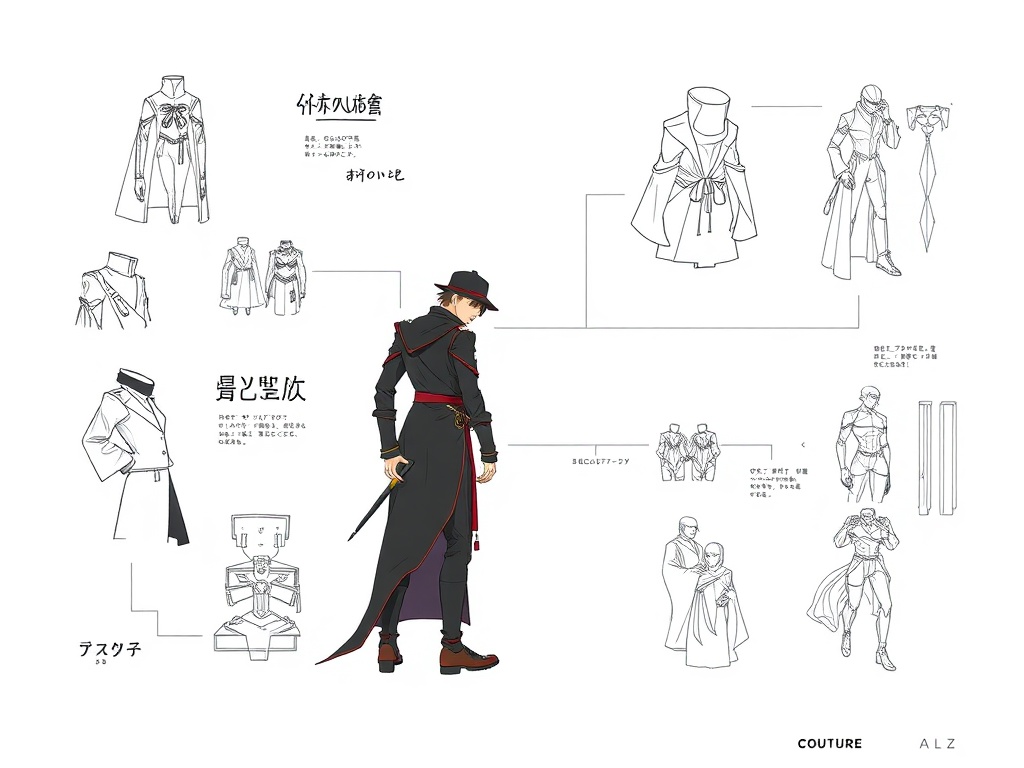
Unlike ready-to-wear collections, couture pieces are tailored to fit the client’s individual measurements, making each garment a one-of-a-kind piece that fits like a glove. This personal touch is a key element of the couture design process, infusing each creation with an aura of exclusivity.
The couture design process is a sophisticated dance, beginning with the initial creative spark that illuminates the designer’s mind.
This vision then takes form through a series of intricate sketches that provide the blueprint for the final garment. Here, the designer experiments with color, silhouette, fabric, and embellishments, honing their vision until they have a design that captures the essence of their inspiration. This initial phase is about more than just aesthetics; it’s about creating a narrative that weaves through each piece, making the collection a cohesive whole.
Once the design is finalized, the next step is creating a toile, a prototype of the garment made from cheap fabric. Crafting a toile allows the designer to visualize their design in three dimensions, make necessary adjustments, and perfect the fit.
This is a critical stage of the couture design process, ensuring the final garment fits the client flawlessly.
What separates couture from other fashion realms, however, is the level of craftsmanship involved. Each couture garment is painstakingly handcrafted by a team of skilled artisans. From the seamstresses who stitch the pieces together to the craftspeople who apply intricate beading and embroidery, each contributes to the garment’s final form.
This manual labor is time-consuming and requires a high level of precision, but it’s this attention to detail that gives couture its unparalleled elegance.
Choosing the right fabric is another crucial part of the couture design process. The quality of the materials used can make or break a couture piece. Designers go to great lengths to source the finest fabrics, often visiting international textile fairs to find the perfect materials. Silk, lace, velvet, and fine wool are all popular choices in couture, providing a rich canvas on which the designer can bring their vision to life.
After the garment has been assembled, the final touches are added. These can range from hand-sewn sequins and crystals to delicate lace appliqués and extravagant feathers. These embellishments serve to enhance the garment’s design, adding an extra layer of richness and luxury.
The couture design process is a testament to the power of creativity and the artistry of handcrafting. Every stage, from the initial sketch to the final fitting, is meticulously executed, resulting in garments that are more than just clothes. They’re wearable pieces of art, steeped in tradition, precision, and the designer’s unique vision. Moreover, they’re a profound symbol of the lasting allure of couture, a testament to the enduring magic of fashion’s most exquisite form.